
How to Choose the Best Anti-Aging Cream for Your Skin Type

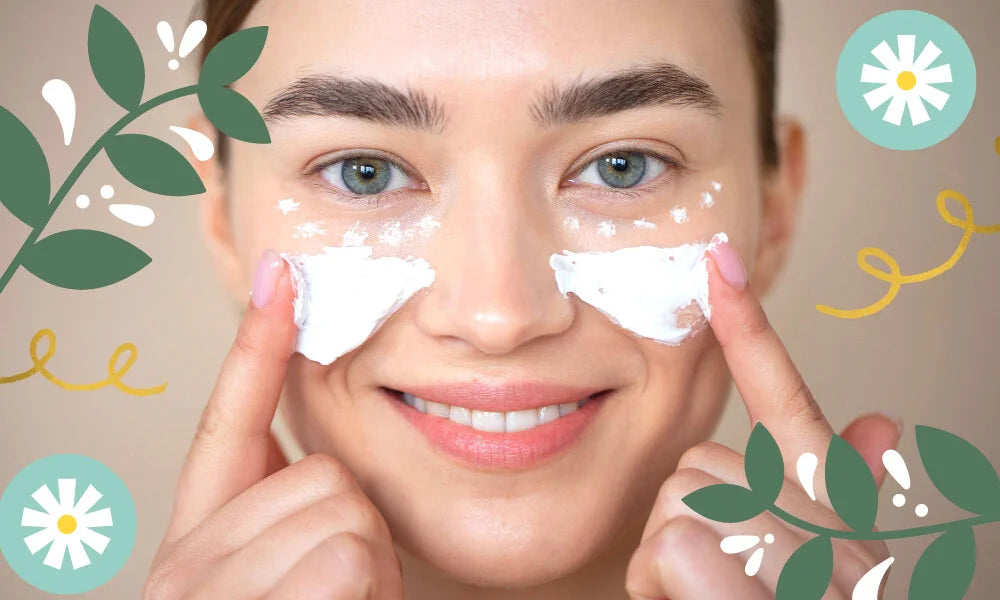
Selecting an anti-aging cream based entirely on your specific skin type ensures maximum active ingredient absorption while preventing unwanted irritation and breakouts. Purchasing a highly rated product simply because it worked for someone else often leads to disappointing results or adverse skin reactions. Premium anti-aging topicals rely on precise chemical formulations that interact uniquely with different levels of natural sebum production. Matching the active delivery mechanism to your baseline skin characteristics unlocks the full potential of your skincare investment.
Formulations for Dry and Dehydrated Skin
Dry skin requires rich, emollient anti-aging creams that repair a compromised moisture barrier while delivering corrective active compounds. As skin ages, oil production naturally declines, leading to pronounced fine lines, flaking, and a dull overall complexion. Lightweight lotions evaporate too quickly from dry skin, failing to provide the sustained hydration needed to plump deep wrinkles.
Look for thick creams packed with ceramides, fatty acids, and hyaluronic acid to lock in moisture at the surface level. Retinol derivatives blended into heavy lipid bases allow the active vitamin A to penetrate deeply without causing excessive peeling. These dense formulations create a protective seal that prevents transepidermal water loss throughout the day and night.
Solutions for Oily and Acne-Prone Skin
Oily skin types need non-comedogenic, oil-free anti-aging formulations that accelerate cellular turnover without clogging pores or stimulating excess sebum. Many individuals mistakenly believe that oily skin does not require regular moisturizing as it ages. The truth is that aging skin still loses structural elasticity, meaning oily complexions require targeted cell-communicating ingredients just as much as dry types.
Gel-creams and lightweight fluid emulsions provide the ideal delivery system for oily and combination skin profiles. Seek out formulations utilizing salicylic acid alongside gentle retinoids to keep pores clear while boosting collagen production. Niacinamide is another excellent addition, as it simultaneously calms overactive sebaceous glands and evens out post-acne discoloration.
Strategies for Sensitive and Reactive Skin
Sensitive skin types must prioritize calming anti-aging ingredients that strengthen skin resilience without triggering redness or chemical burns. Traditional anti-aging powerhouses like high-percentage glycolic acid and pure retinol frequently cause severe irritation on reactive skin barriers. Forcing your skin to endure constant inflammation actually accelerates the breakdown of collagen and elastin fibers over time.
Opt for hypoallergenic, fragrance-free creams that substitute harsh synthetics with soothing plant-derived alternatives. Bakuchiol serves as an exceptional natural analog to retinol, offering similar wrinkle-reducing benefits without the typical burning or flaking. Pairing these gentle actives with centella asiatica or colloidal oatmeal ensures your skin remains calm and receptive to the treatment.
The Master Blueprint of Anti-Aging Actives
Understanding the primary function of common skincare ingredients allows you to audit product labels effectively before making a purchase. The right combination addresses your primary aging concerns without overloading your daily routine.
Combining these ingredients correctly prevents product pilling and ensures optimal pH stability on the surface of the skin. Using your active treatments at night and pairing them with a broad-spectrum sunscreen during the day protects newly revealed skin cells from UV damage.
Conclusion
Choosing the perfect LifeCell Anti-Aging Cream requires a clear understanding of your personal skin type and the chemical behavior of active ingredients. If you’re oily, stay away from heavy, pore-clogging lipids to avoid self-inflicted damage. If you have sensitive skin, stay away from harsh acids for the same reason. Consistency yields far better results than raw product strength, making a comfortable, well-tolerated cream your best long-term strategy. Assess your current skin behavior today, select a formula tailored to your specific ecosystem, and give the active compounds time to revitalize your complexion.


